


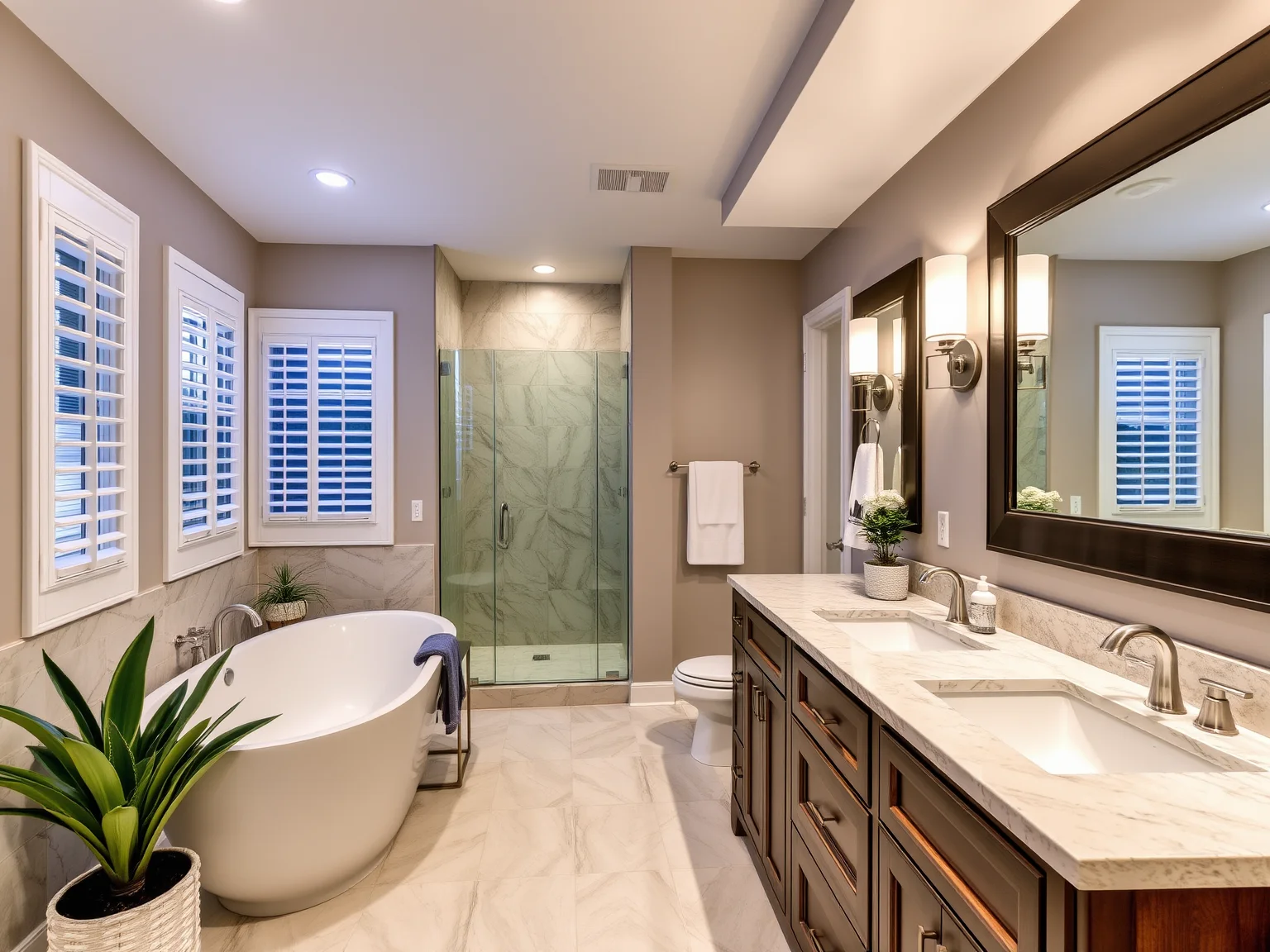
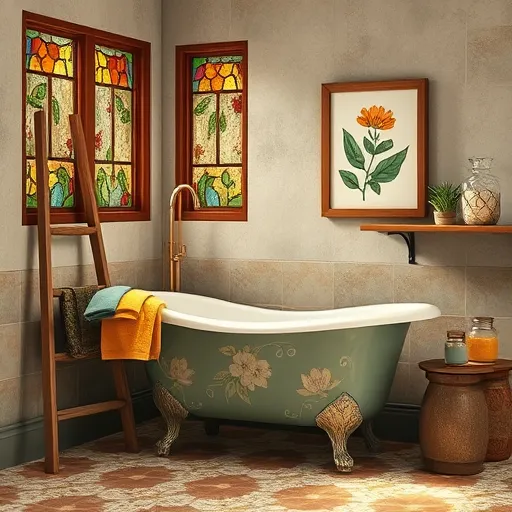
How to Pick the Best Bathroom Color Schemes for a Stylish Space
How to Pick the Best Bathroom Color Schemes: Expert Tips for a Stylish and Harmonious Space
Choosing the perfect color scheme for your bathroom can transform a functional room into a stylish, calming sanctuary. The right palette enhances the space's aesthetics, influences mood, and even impacts the perceived size of the room. However, with countless options available, many homeowners often wonder, how to pick the best bathroom color schemes that align with their style and practical needs. In this comprehensive guide, Rezinte shares expert insights and actionable tips to help you select colors that elevate your bathroom to the next level.
Why Is Choosing the Right Bathroom Color Scheme Important?
Your bathroom is more than just a utilitarian space—it’s a retreat where relaxation and renewal occur. Properly selected colors can:
Create a sense of calm and tranquility
Understanding the significance of color choices will help inform your decisions and ensure your bathroom design is both functional and visually appealing.
What Are the Basic Principles of Choosing Bathroom Colors?
Before diving into specific color options, it's essential to grasp some foundational principles:
Consider the size of your bathroom: Lighter colors can make small spaces feel larger, while darker hues add coziness.
Factor in lighting: Natural and artificial light can dramatically alter how colors look in your space.
Match your style: Decide if you prefer a modern, traditional, or eclectic look, which influences your color choices.
Coordinate with fixtures and materials: Ensure your colors complement tiles, countertops, cabinetry, and hardware.
How Do I Choose Colors That Create a Cohesive Look?
Achieving harmony in your bathroom requires intentionality. Here’s how to create a cohesive color palette:
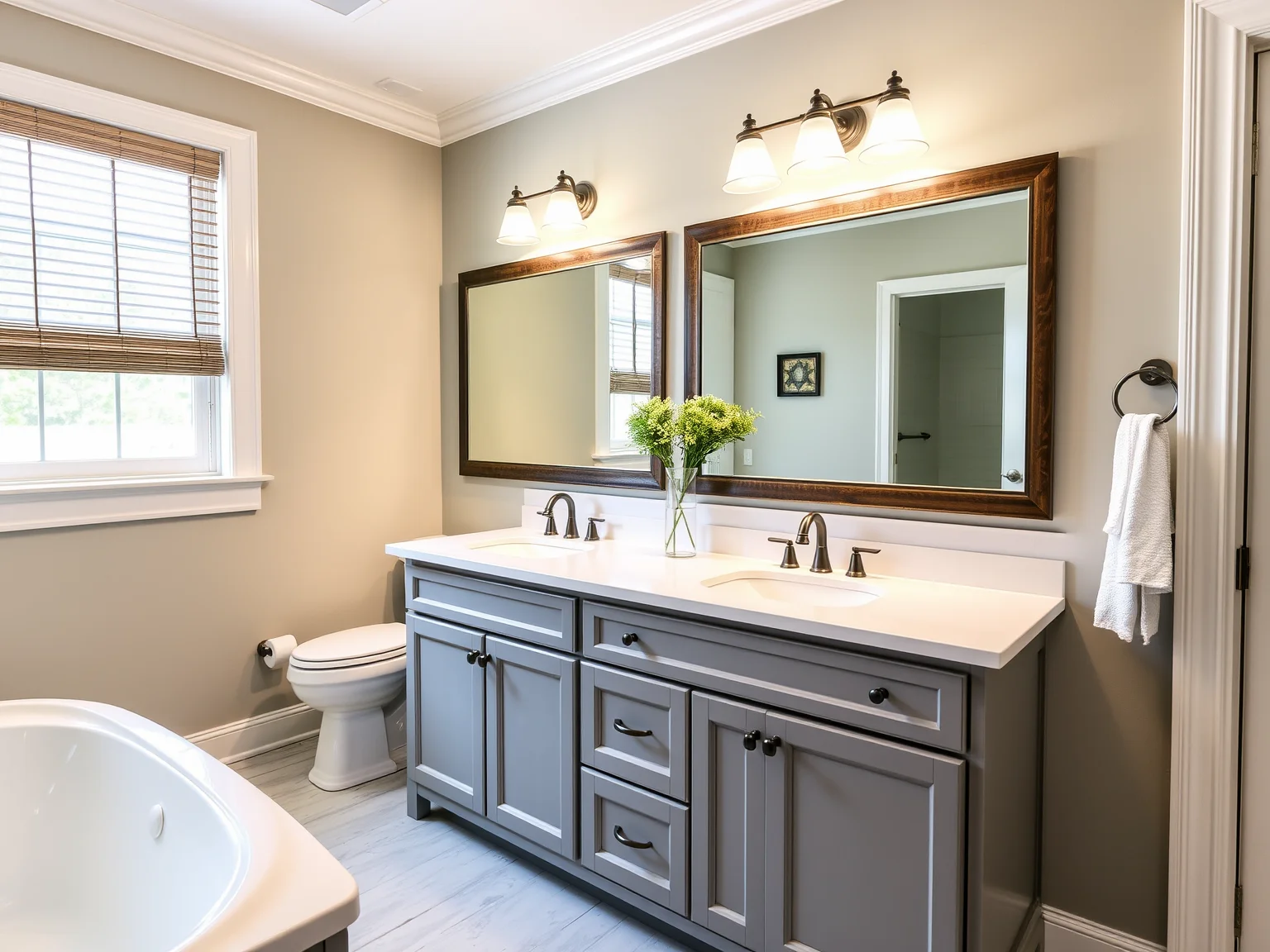
Start with a neutral base: Whites, creams, light grays, or soft browns work well as foundation shades.
Add accent colors: Use bold or vibrant hues sparingly—perhaps in towels, accessories, or a statement wall.
Incorporate shades from the same color family: This ensures subtlety and cohesion.
Use color wheels for guidance: Complementary or analogous colors can create visual harmony.
By adhering to these principles, your bathroom will radiate a unified aesthetic that feels intentional and inviting.
What Are Some Popular Bathroom Color Schemes and When Should I Use Them?
Light and Neutral Colors: Perfect for Small Bathrooms
Colors like white, beige, soft gray, and pale pastels make rooms feel open and airy. They are ideal for compact spaces or bathrooms with limited natural light.
Bold and Dark Colors: For a Dramatic Effect
Navy, emerald green, charcoal, or black entries can create a sophisticated and luxurious ambiance. Use them as accent walls or in larger bathrooms with ample lighting.
Soft Pastels: To Evoke Calm and Serenity
Colors such as blush pink, powder blue, and mint green foster a relaxing environment, perfect for spa-like retreats.
Classic Blue and White: Timeless Elegance
This color combo never goes out of style, offering crispness and freshness suitable for traditional or contemporary designs.
How Can I Use Color to Enhance Bathroom Functionality?
Color impacts not just aesthetics but also practical aspects such as mood and hygiene perception. Here are some ideas:
Use blue hues to promote calmness: Great for relaxation during baths or showers.
Opt for white or light colors in busy households: They make spaces easier to clean and give a sense of brightness.
Implement dark shades to hide minor stains and wear: Perfect for high-traffic bathrooms.
What Are Some Tips for Combining Multiple Colors Successfully?
Here are some practical tips to blend different colors without creating chaos:
Stick to a primary and secondary color: Keep the palette simple to avoid visual clutter.
Balance bold colors with neutrals: For visual comfort and polish.
Use patterns and textures: To introduce variety without overwhelming the sense of harmony.
Test colors before committing: Use samples on your walls and observe under different lighting conditions.
How Can I Incorporate Trends Without Sacrificing Longevity?
While staying current is appealing, it’s crucial to choose colors that will remain timeless and adaptable. Consider classic hues like navy, white, or soft gray, which serve as versatile backdrops for evolving styles. Pair trendy accent colors with neutral walls to keep the space fresh without risking obsolescence.
How Do I Prepare My Bathroom for a Color Change?
Proper preparation ensures your chosen colors look their best and last longer. Here are key steps:
Clean all surfaces thoroughly: Remove soap scum, grease, and dirt.
Repair any damages: Fill cracks or holes before painting.
Prime surfaces: Ensures better adhesion and color vibrancy.
Choose high-quality, moisture-resistant paints: Essential for bathrooms prone to humidity.
Plan your color placement: Decide where to use accent walls or color blocking for maximum impact.
Where Can I Find Inspiration and Professional Assistance?
Looking for design inspiration or expert help? Explore our articles on master bathroom renovation before and after or find trusted bathroom remodeling services near Cape Carteret, North Carolina. Partnering with professional contractors can ensure your vision comes to life seamlessly and beautifully.
How Do I Maintain and Refresh My Bathroom Colors Over Time?
Colors evolve with your style and needs. To keep your bathroom looking fresh:
Regularly clean walls and fixtures to maintain vibrancy.
Repaint or touch up areas showing wear or discoloration.
Experiment with accessories—new towels, artwork, or rugs—to change the vibe without a full renovation.
Consult with remodeling professionals for updates that align with your evolving taste.
Frequently Asked Questions (FAQ)
How do I choose colors that make my small bathroom appear larger?
Opt for light, neutral shades like soft whites, pale blues, or creams. These colors reflect light, enhance brightness, and create an illusion of space. Additionally, using mirrors and minimalistic decor complements this effect.
Can I mix different colors in my bathroom design?
Absolutely. The key is to stick to a cohesive palette. Using complementary or analogous colors ensures visual harmony. Accents in bold hues can add personality without overwhelming the space.
What should I consider when choosing paint for high-moisture areas?
Select paints specifically formulated for bathrooms, such as mildew-resistant, semi-gloss, or satin finishes. These options provide durability and facilitate easy cleaning, keeping your space beautiful and hygienic.
How do I balance trendy colors with timeless appeal?
Choose neutral foundations and add trending hues as accents. This approach allows your bathroom to stay stylish while maintaining an enduring look.
How can I involve my family in choosing bathroom colors?
Collaborate with all household members by selecting colors that reflect shared tastes and personality. Use mood boards or paint sample areas to test options before finalizing your decision.
Conclusion
Mastering how to pick the best bathroom color schemes involves understanding your space, style, and functional needs. By considering factors like room size, lighting, and personal preferences, you can create a bathroom that’s both beautiful and practical. Remember to start with a cohesive palette, experiment with accents, and seek professional help when necessary. Whether you aim for a tranquil retreat or a bold statement, the right colors can breathe new life into your bathroom. For more insights and expert guidance, explore our posts on professional bathroom contractors and our comprehensive remodeling services.
Custom HTML/CSS/JAVASCRIPT